
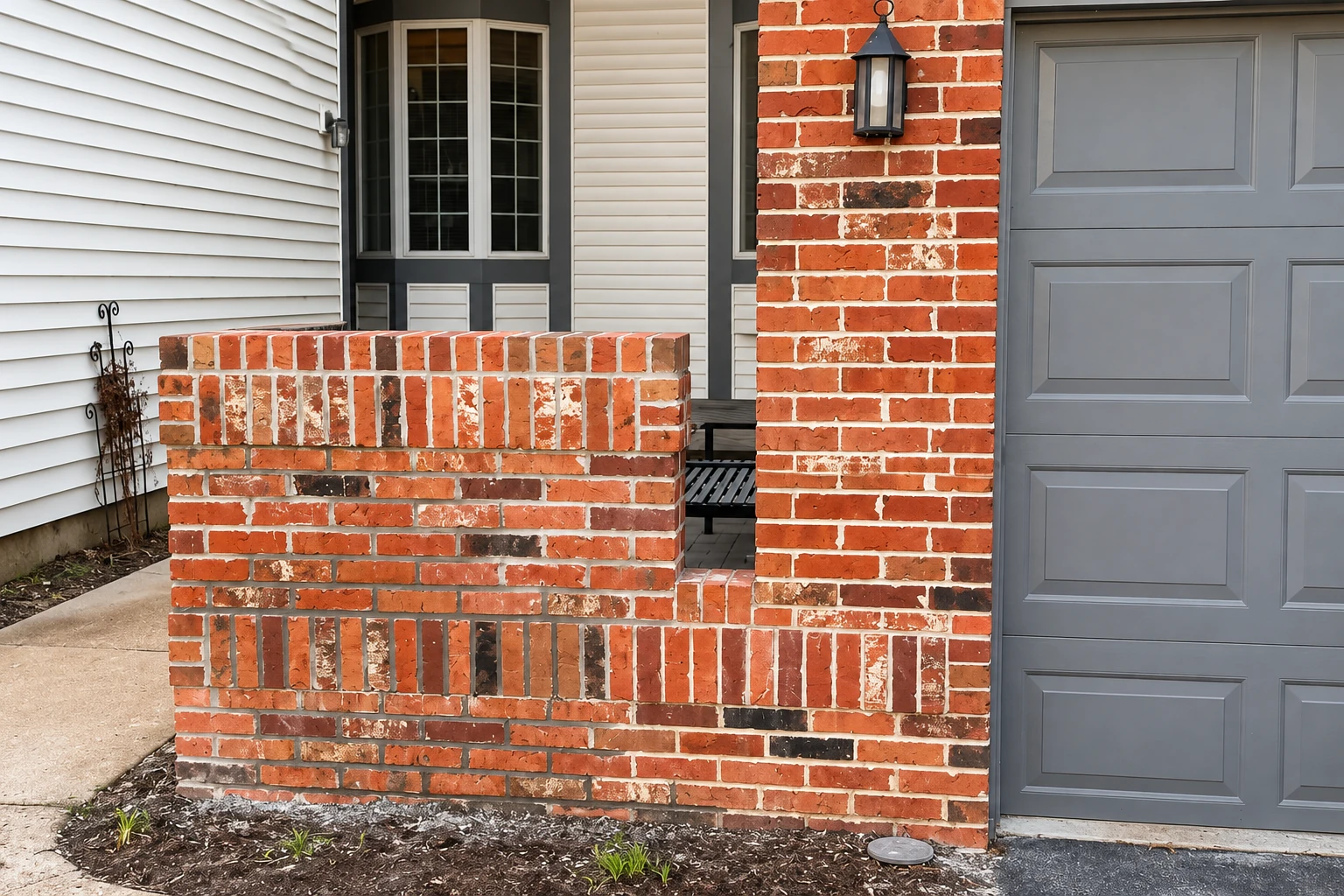
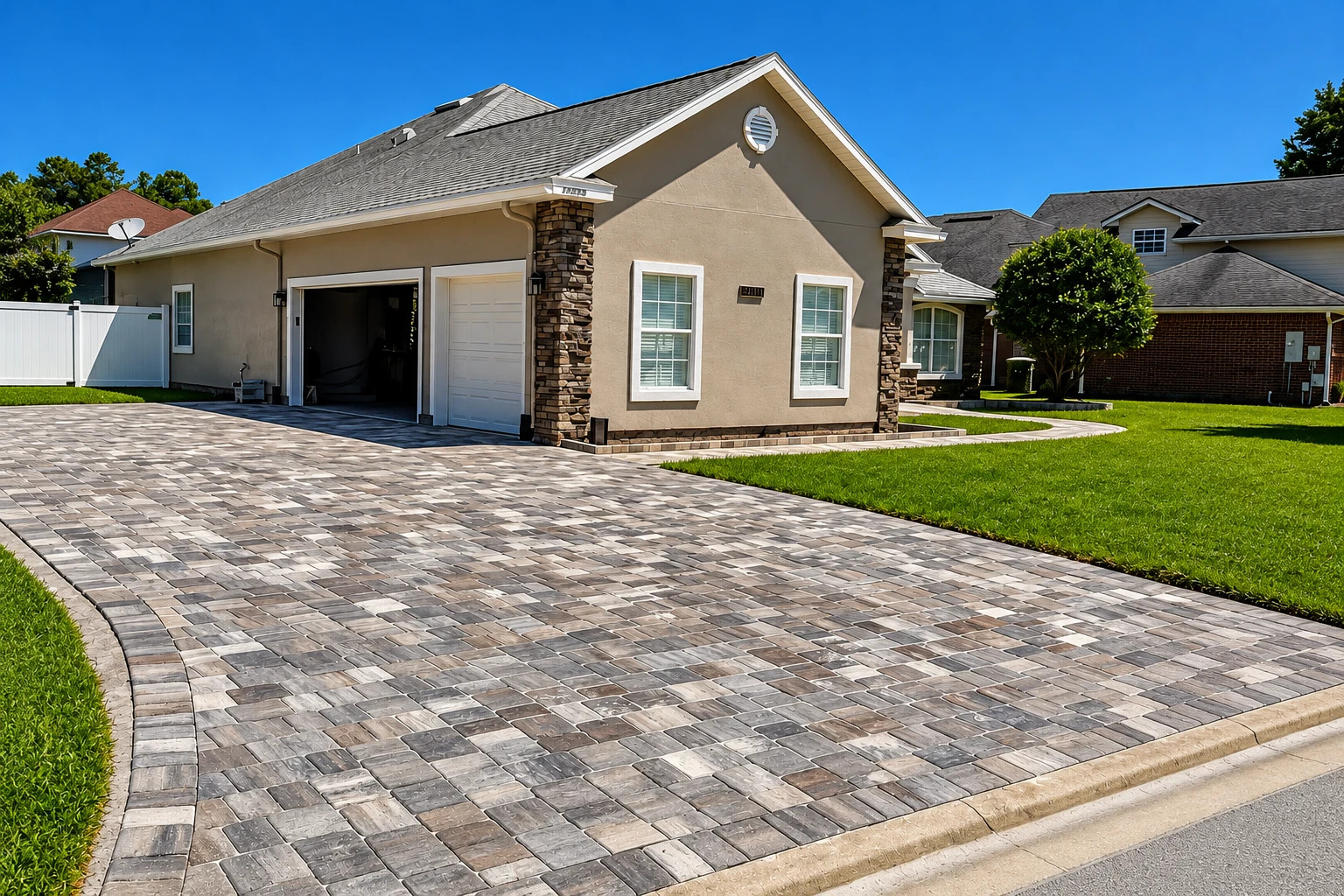
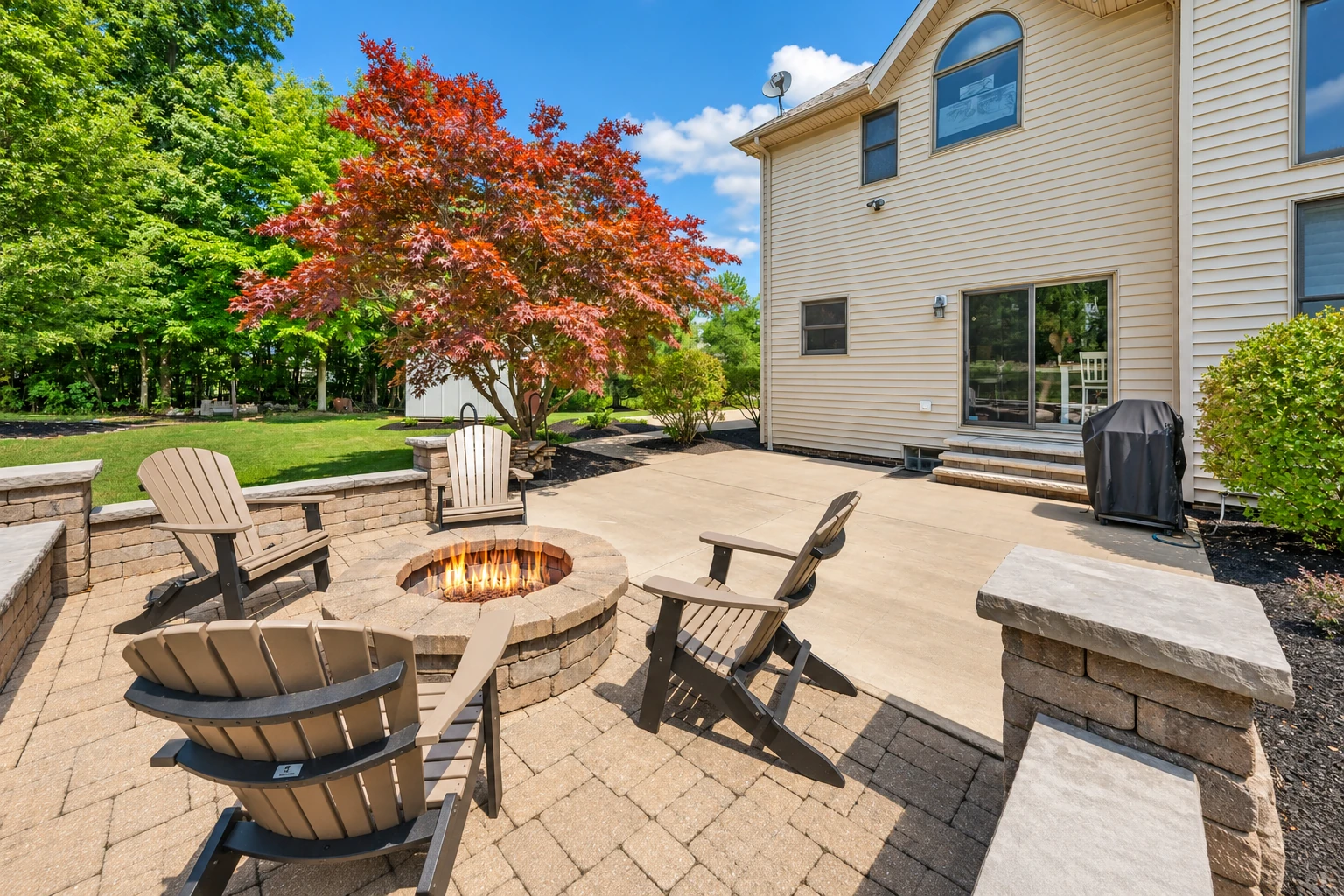
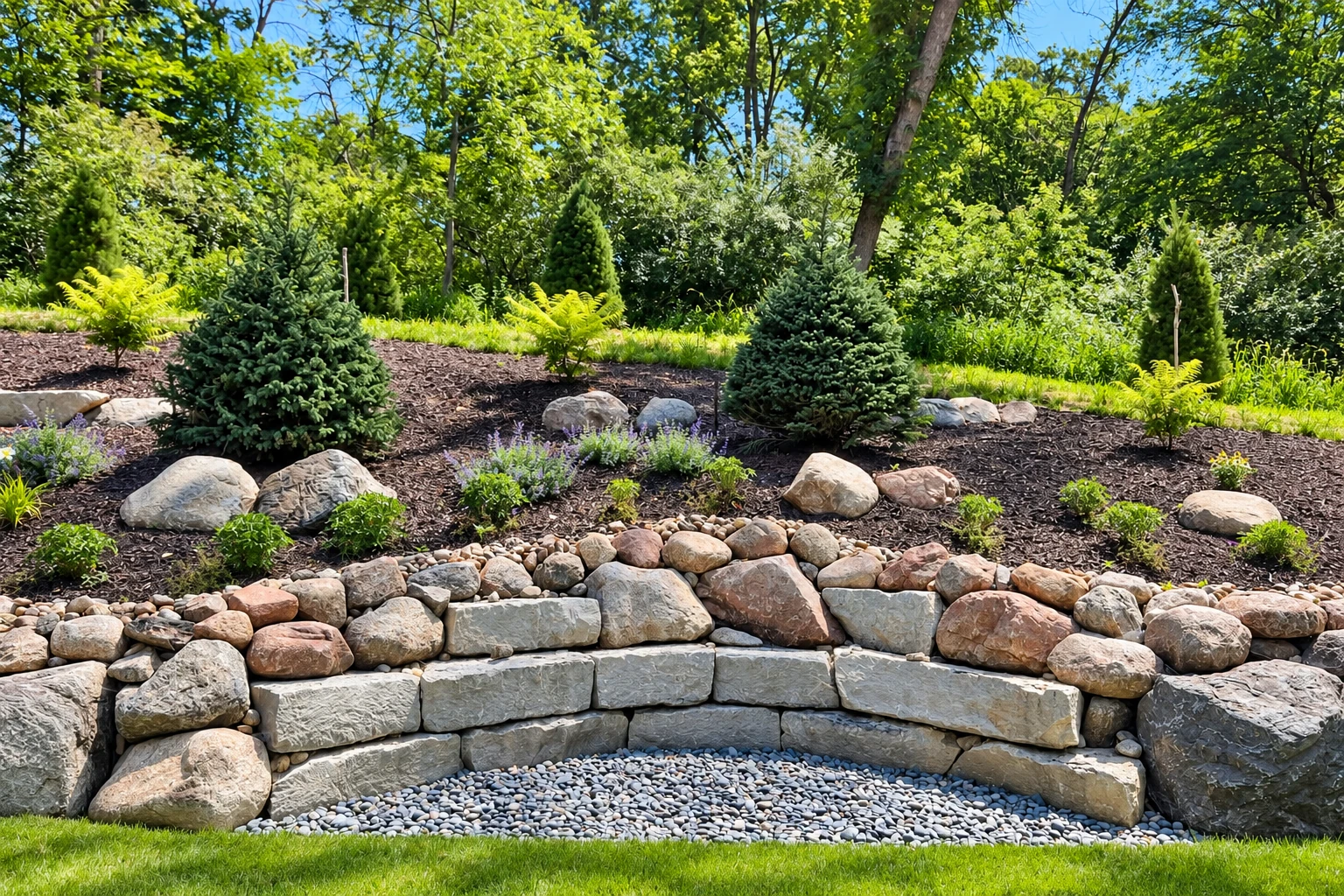
Visalia is where we're based, and as a masonry contractor here, most of our calls come from homeowners with worn mortar, a cracked wall or a yard project they've been putting off. The city mixes older houses, where brick chimneys, planters and garden walls have had decades to wear, with newer neighborhoods where block walls line the back fences. We do the same work in Farmersville, Exeter and other cities around Visalia.
Older brick usually needs a repair matched to what's already there, with the same brick, the same mortar color and a mortar soft enough that it won't crack the old brick around it. New walls and walkways depend on what's under them, because a wall is only as steady as its footing and the ground it sits on.
What sets the price and the schedule
Price comes down to how much wall, walkway or chimney there is, what it's built from, and how much old work has to come out first. Getting to the spot matters too, because a back yard behind a fence and a narrow side gate means more carrying by hand than a driveway we can back up to. The schedule turns mostly on whether the job needs a permit and inspection, and on how long the materials take to come in. I come out to look at the job myself and write the estimate, so the number and the plan you get are for your house, not a guess over the phone.
Fixing what's failing and keeping what's good
I'd rather repair what's actually failing than tear out good work. When mortar joints have gone soft and sandy, we grind out the worn mortar and pack in new, which is what tuckpointing means, and the brick around it stays put. Not every crack needs fixing right away, and a hairline crack that isn't growing can usually wait. I'll tell you when that's the case. A crack that keeps widening, a wall that's leaning or brick that steps down near the base points to what's underneath, so we look at foundation repair before patching the surface, since new mortar over a moving base just cracks again.
Working around a house you live in
A home with people in it isn't a bare lot, so we plan the job around you. Before we start, we walk the route from the street to the work with you, mark sprinkler lines and plants that need to stay, and lay down boards or tarps where wheelbarrows and mortar will go. We keep a way in and out of the house open and pick up as we go, so the yard doesn't sit as a job site overnight. A small crew does the work and I'm on site while it's done, so you have one person to ask when something comes up, and I'll explain why we chose the materials we did.