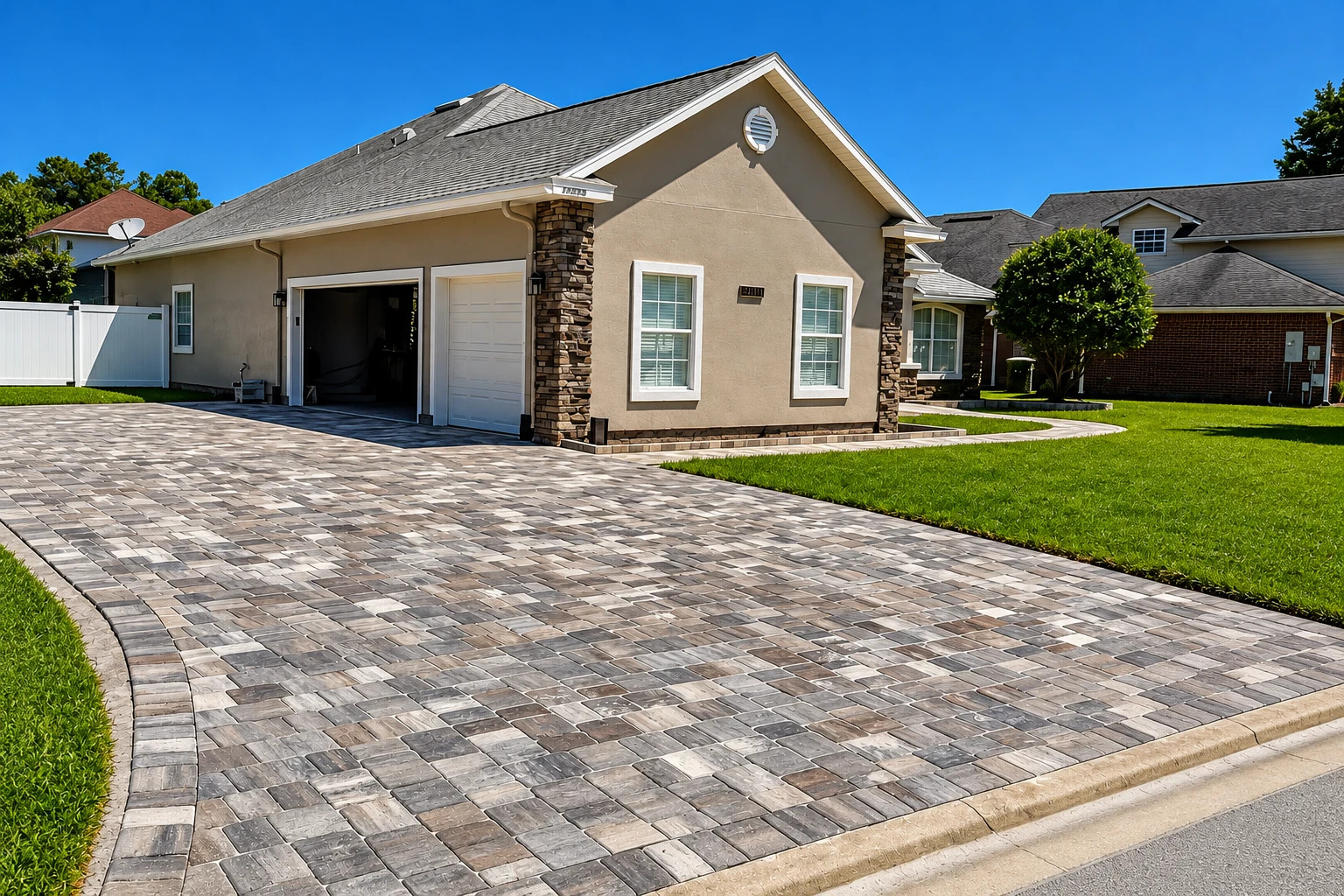
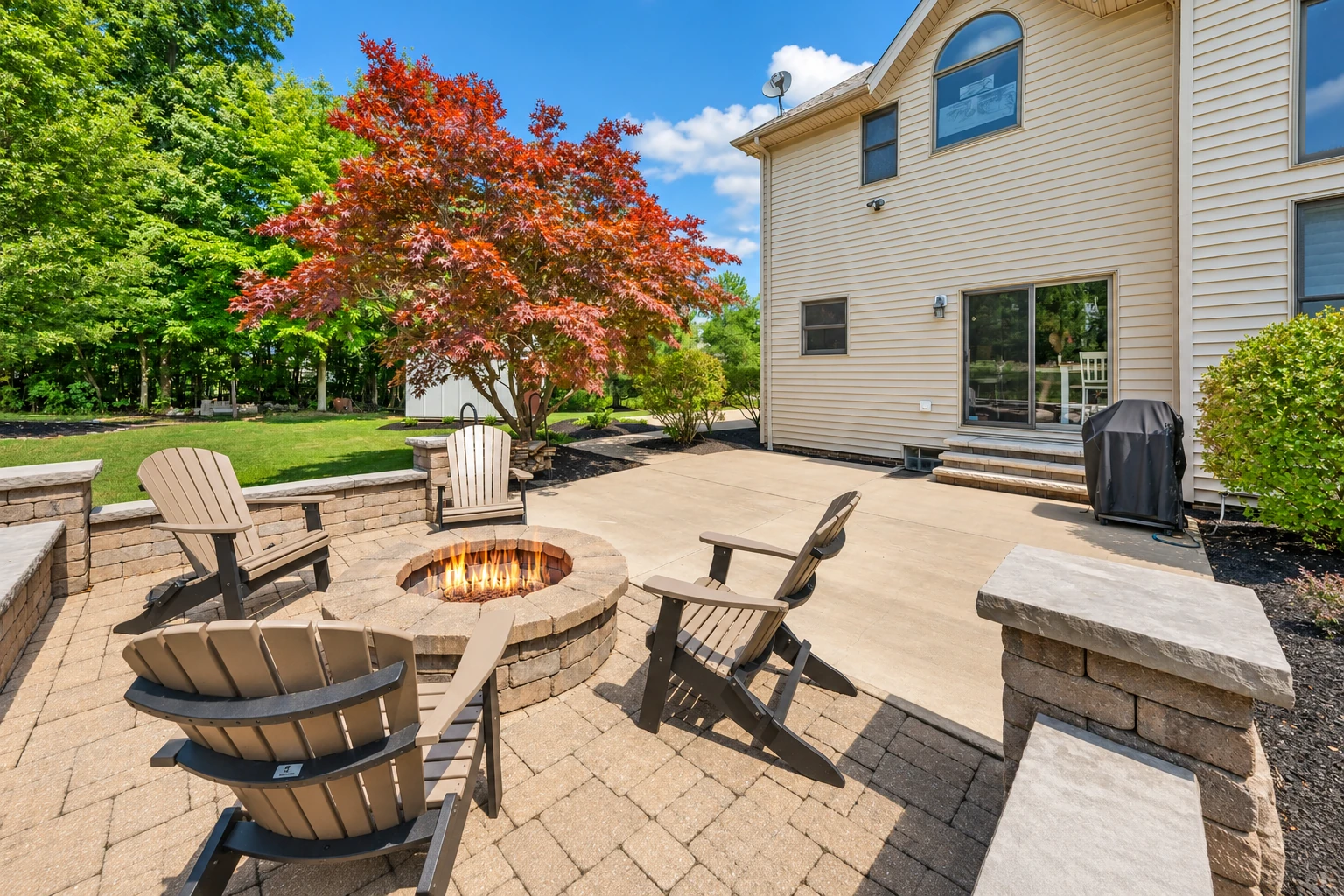
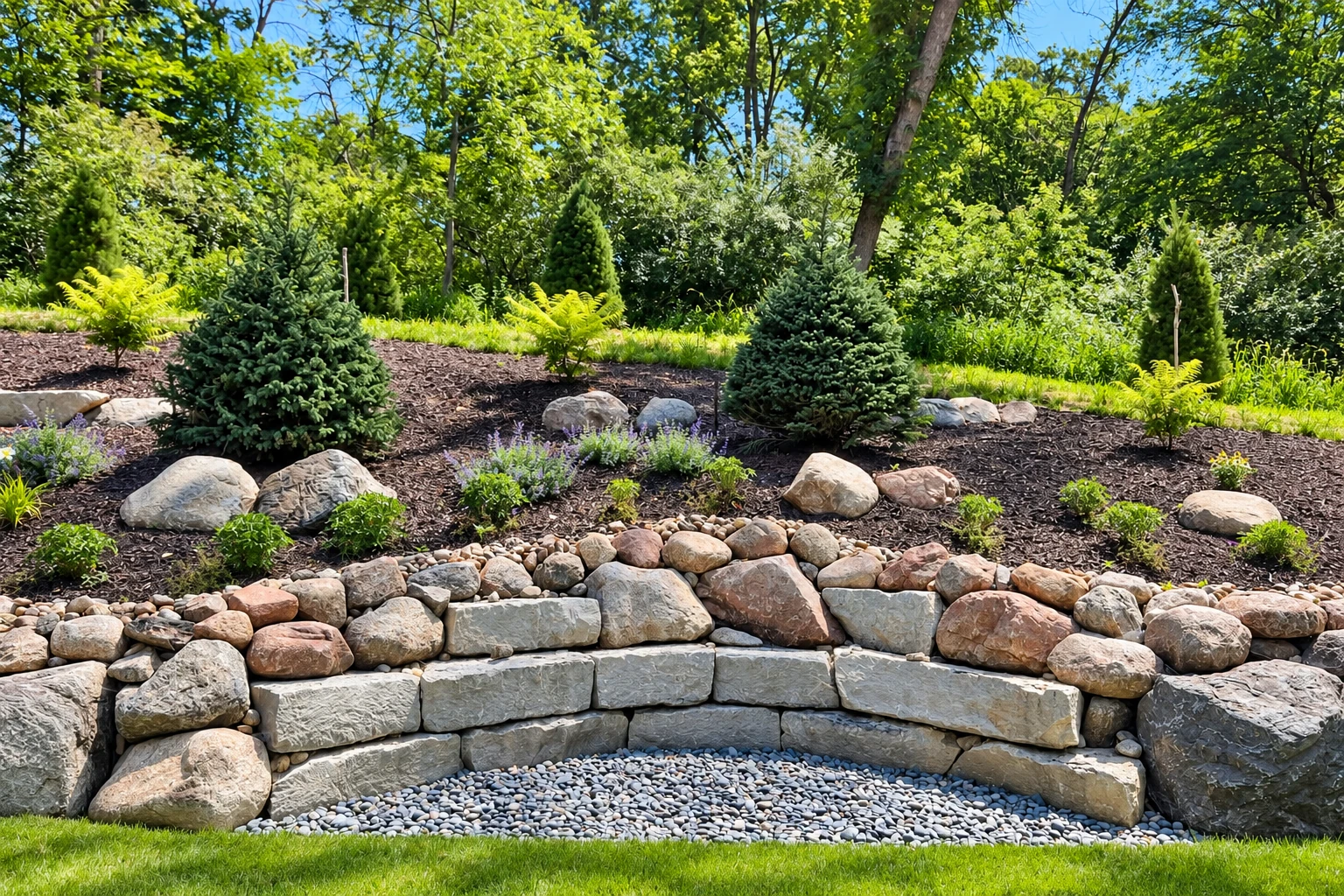
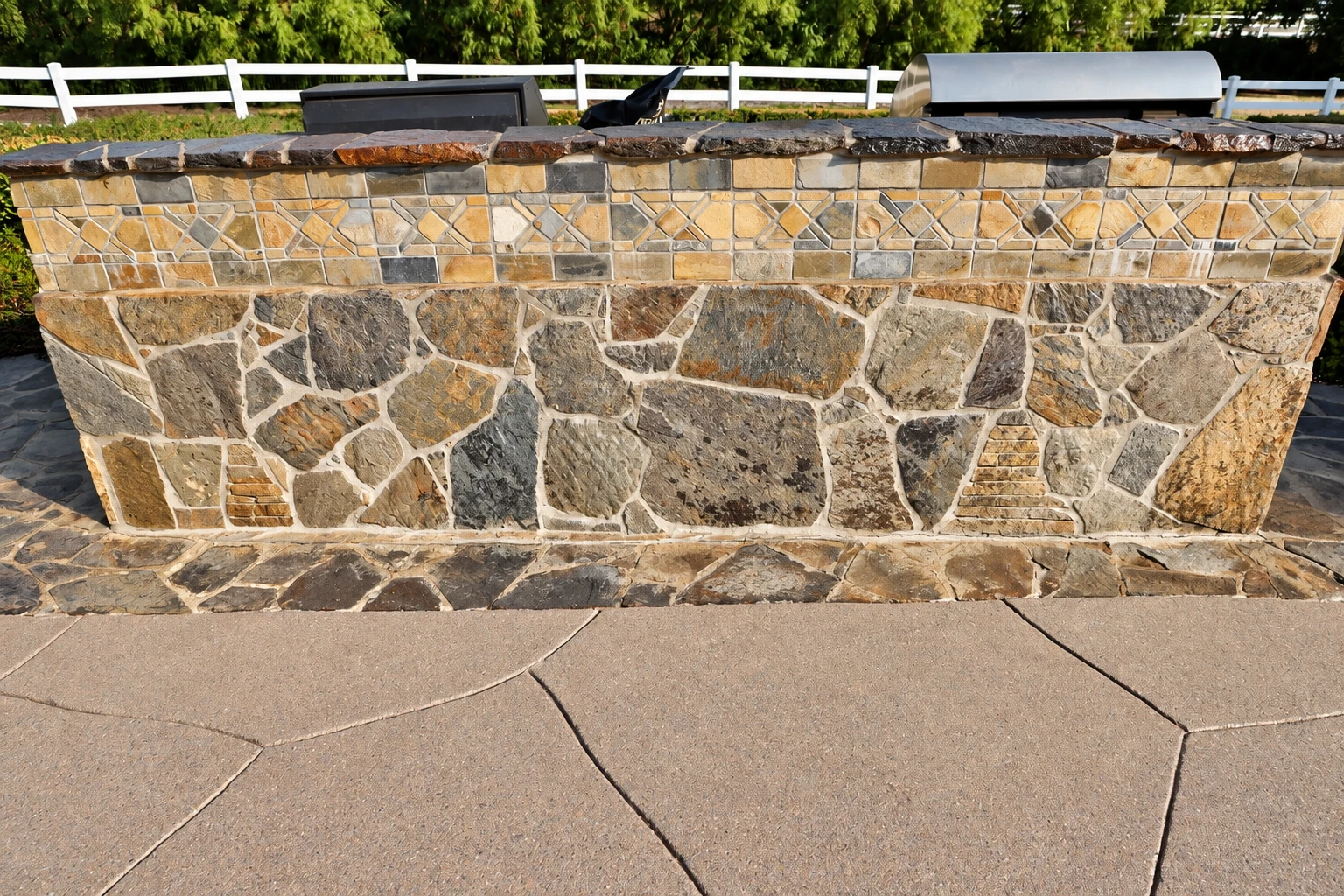
Farmersville is a short drive east of us. As a masonry contractor based in Visalia, CA, we work here the same way we do at home, and I come out to look at the job myself before we price it. It's a small city of mostly single-family houses, with older homes near the center and newer neighborhoods farther out, and the calls we get follow that mix. Older brick needs its mortar repaired, block walls along back and side yards crack or start to lean, and plenty of people have a walkway or patio they've been putting off.
Lots here sit on level valley ground, much like Tulare to the southwest, so we rarely fight a slope. What shapes the job instead is what's already standing, how old it is and how well it was built, which is why I look closely at an existing wall before suggesting anything new.
What moves the price and the schedule
The price comes down to how much is actually failing, what the wall or walk is made of, and how hard it is to match. Replacing worn mortar in a few rows of brick costs far less than rebuilding a wall from the footing, and matching old brick and mortar color takes more care than laying new block. Access matters too, because a back wall behind a narrow side yard means more carrying. The schedule turns on whether the job needs a permit, since review comes first, and on getting matching materials in. I come out, look at it myself and write the estimate, so you have a number for your own job.
Fixing what's failing, keeping what's sound
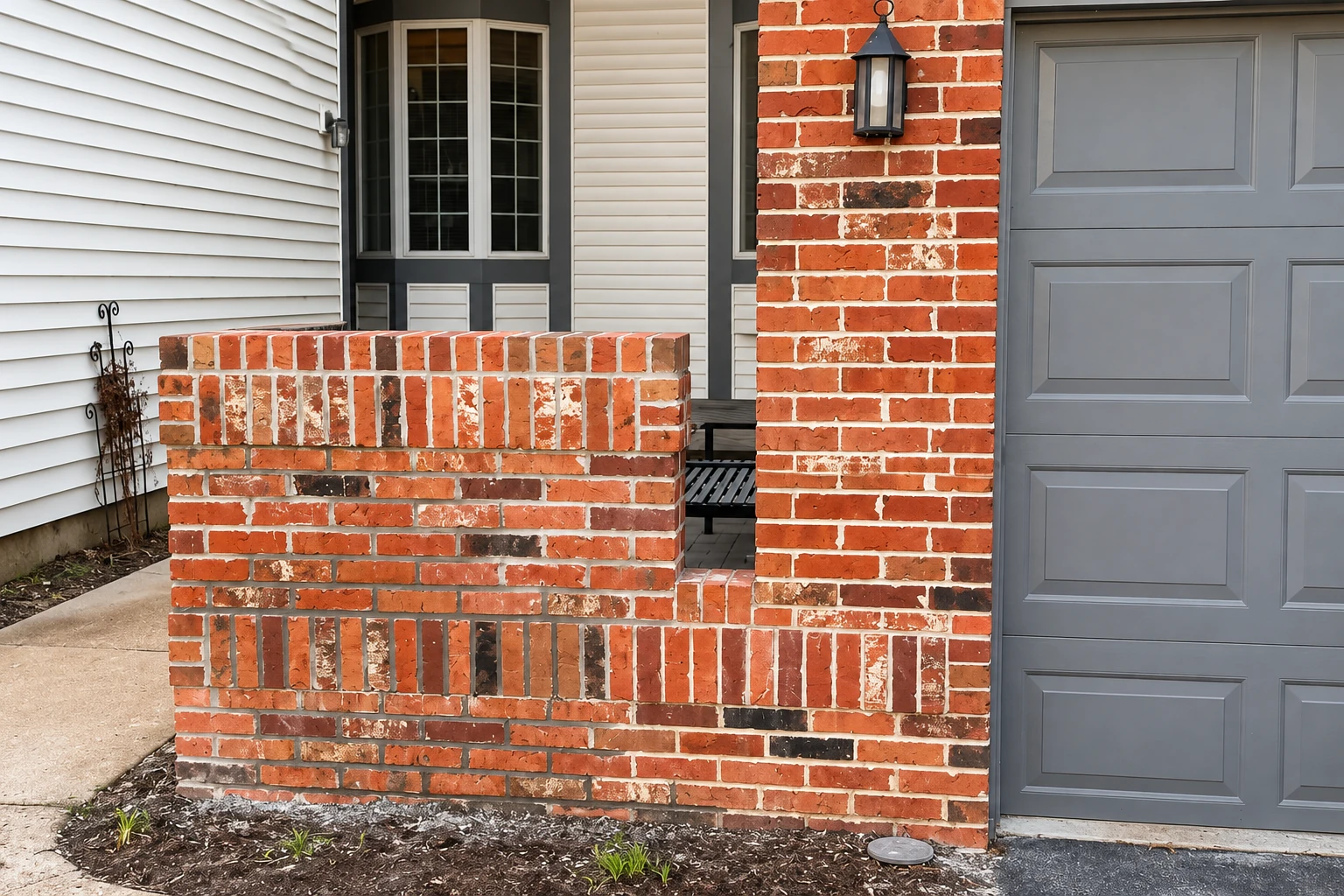
On older brick, the usual trouble is mortar that has worn back in the joints while the bricks themselves are still sound. When that's the case, I'd rather rake out the bad mortar and pack in fresh, the work called tuckpointing, than tear down a wall that has plenty of life left. We match the new mortar to the old and keep it no harder, because mortar stronger than the brick sends the cracking into the brick when the wall moves. A chimney gets the same approach, so if the mortar up top is crumbling or bricks are loose, that's chimney repair, and we handle it just as carefully.
Getting your yard ready for our crew
Before work starts, we'll agree on where the mixer and the pallets of brick or block will sit, which gate the crew uses and what needs moving out of the way. Tell me about sprinkler lines, buried wiring or plants you care about near the work, because those are easier to protect than to replace. A small crew and I do the work, and I'm on site while it's done, so there's one person to ask. When we finish, we clean up the mortar, haul off the debris and work to leave your yard the way we found it, just without the problem.