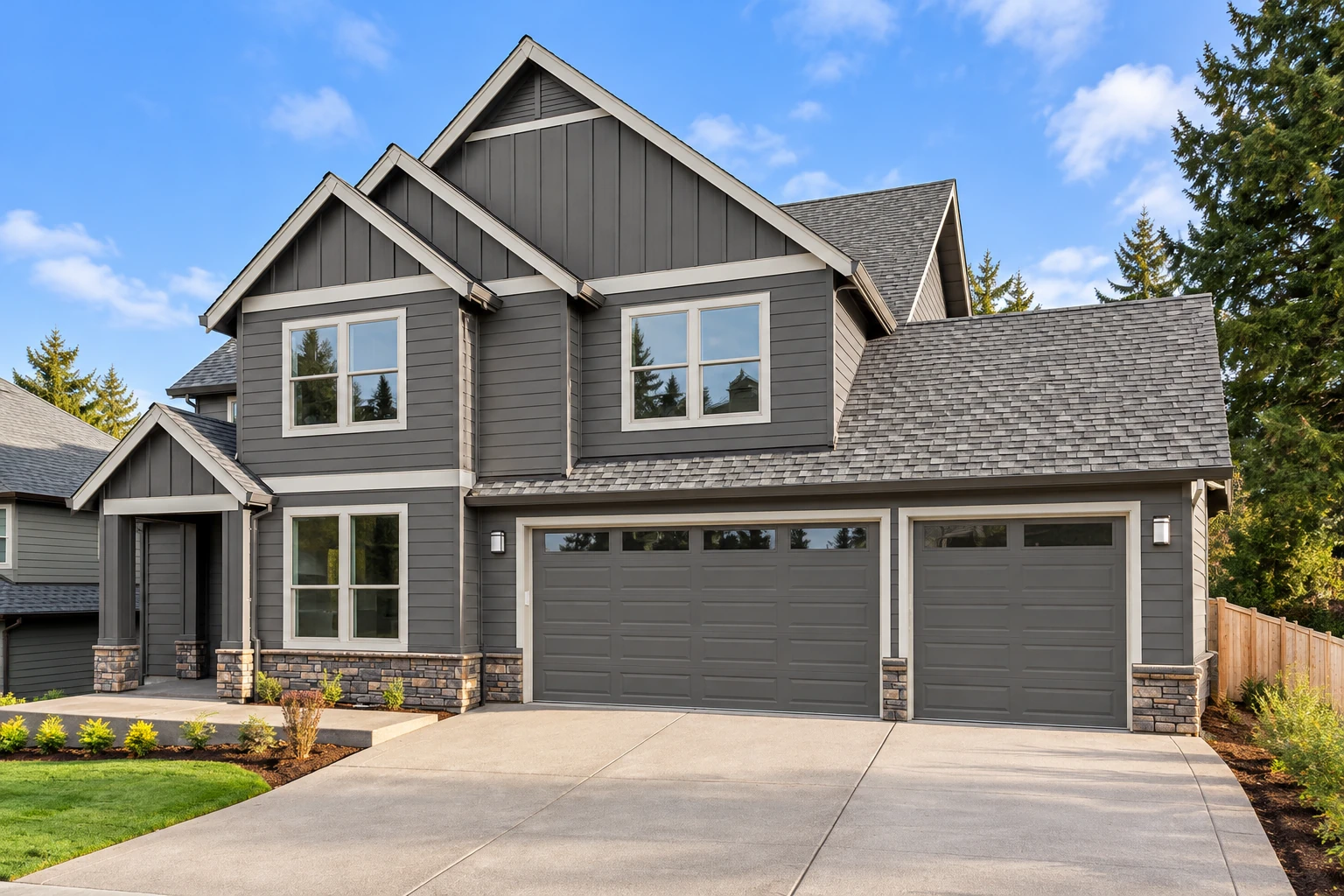
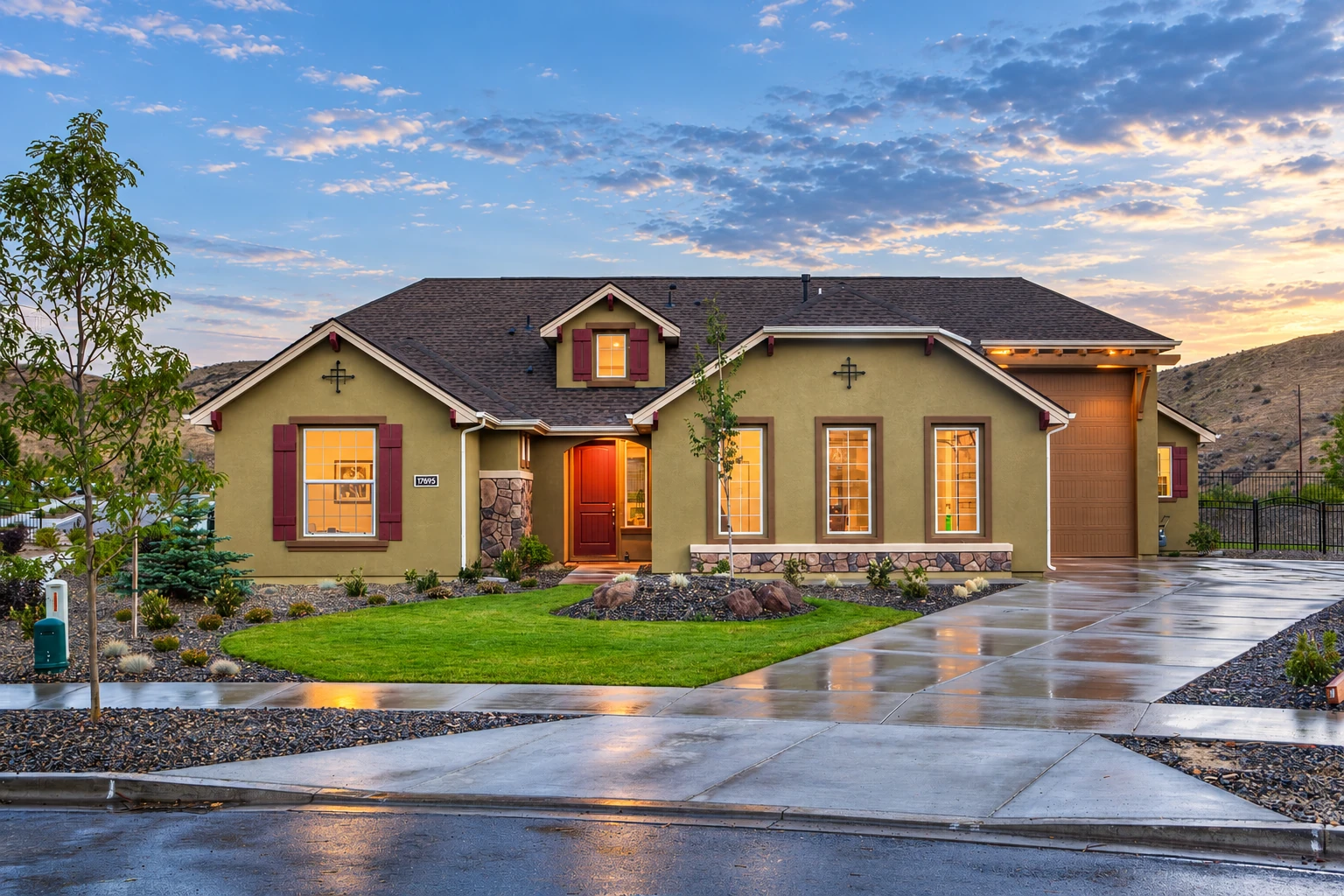
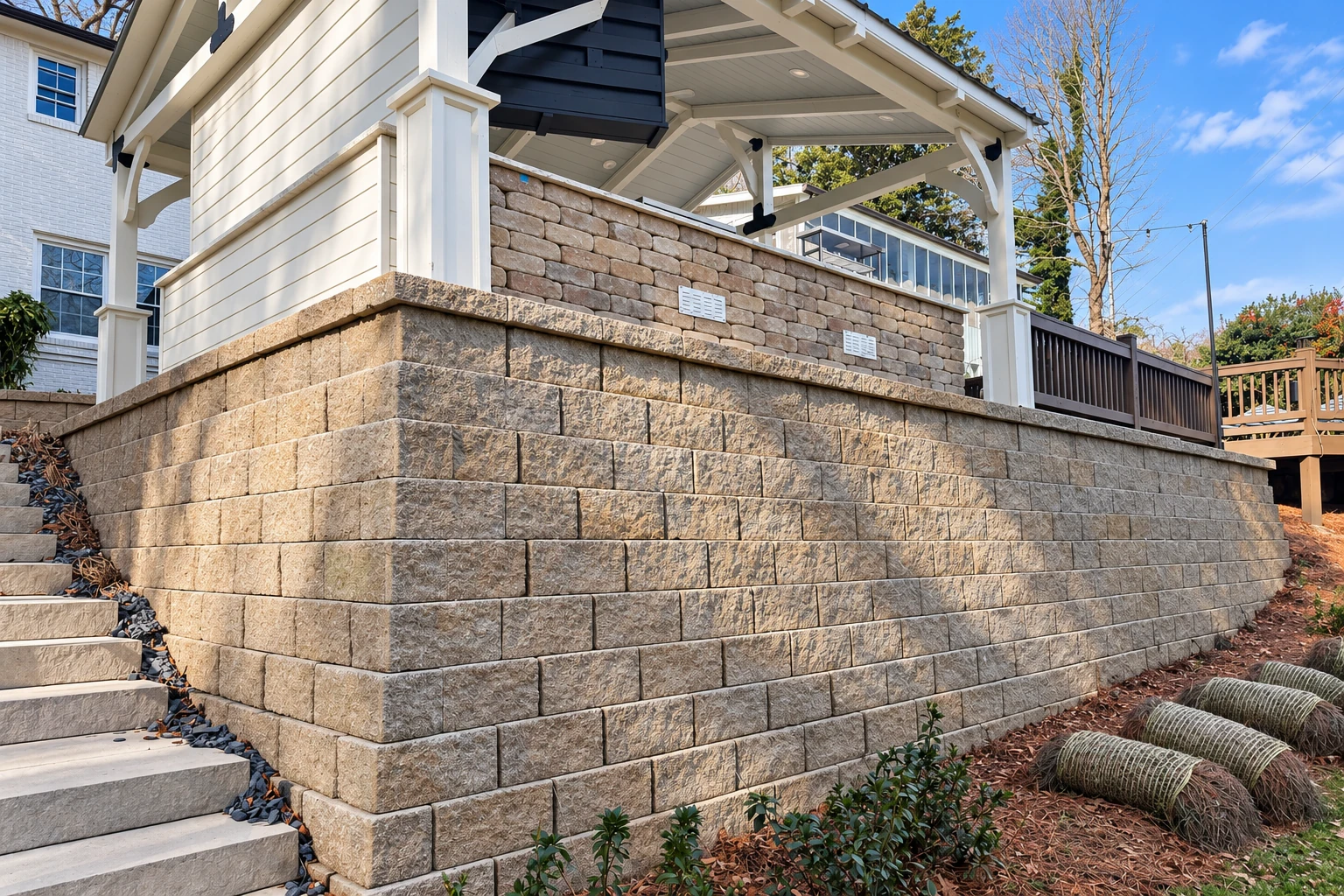

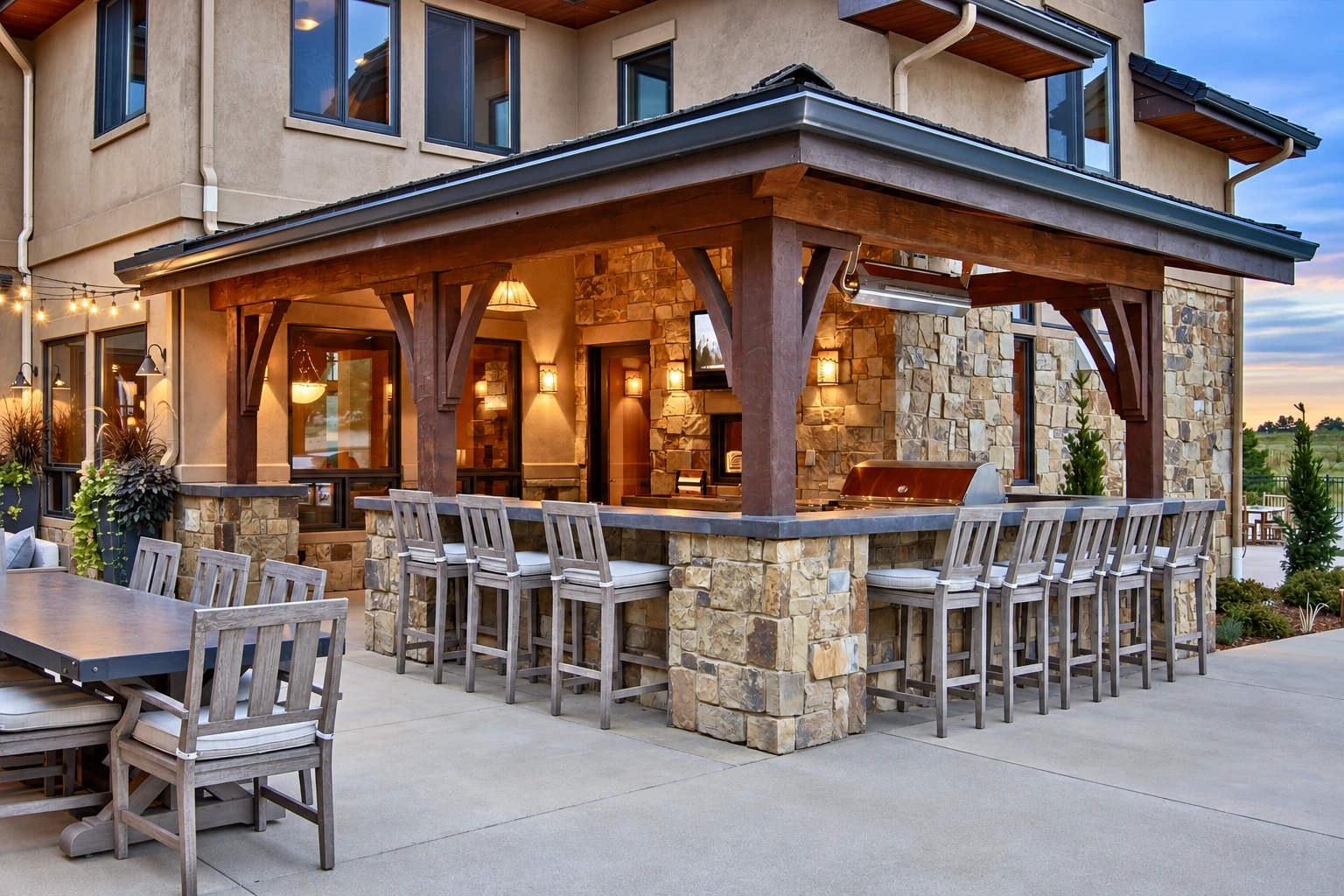
Selma sits in Fresno County, out on the flat floor of the central San Joaquin Valley, a short drive northwest of our base in Visalia. The calls we get here sound a lot like the ones at home: worn mortar on an older brick house, a block wall that's started to crack along a back lot line, or a walkway or patio someone has meant to build for years. It's the same work we do next door in Kingsburg and over in Lemoore, but Selma has its own permit office and its own rules, so we plan around those from the first visit.
Most lots here are flat and open, which makes digging and access simple but leaves a tall freestanding wall taking the wind across its whole face. That's why the footing and the steel bars inside a new wall matter as much as the brick you see, and why on older houses we match the mortar instead of covering problems up.
What moves the price and the schedule
Price mostly comes down to how much wall, walkway or patio there is, what it's built from, and how much old work has to come out first. Brick and natural stone take longer to lay than block, so they cost more, and a backyard we can only reach through a side gate adds time compared with an open driveway. The schedule turns on whether your project needs a permit or plans, since those come before we start, and on when the materials arrive. Repair usually moves faster than new work, because there's less to dig and less to order.
Permits and plans inside city limits
Inside Selma's city limits, the city's Building Division issues permits and reviews building plans, so it decides what your project needs before we break ground. Plans are required for bigger projects like patio covers, carports and major remodels, and the city lists the wind design values those plans are drawn to, set for open, exposed ground like the lots described above. Every business working inside the limits, including ones based elsewhere, needs a City Business License first. When your job needs a permit, we take care of the paperwork with the city, so you're not the one sorting out forms.
Repair what's failing before adding new
On an older house, the first question is whether the brick itself is failing or just the mortar between it. Worn mortar can be raked out and refilled, which we call repointing, and that keeps good brick in the wall instead of tearing it out. When a wall is sound but tired looking, stone veneer installation adds a thin face of stone over it, which is usually far less work than a rebuild. A crack that isn't moving can often wait, and I'll tell you when that's the case. If it's growing, we find out why before we patch anything.