
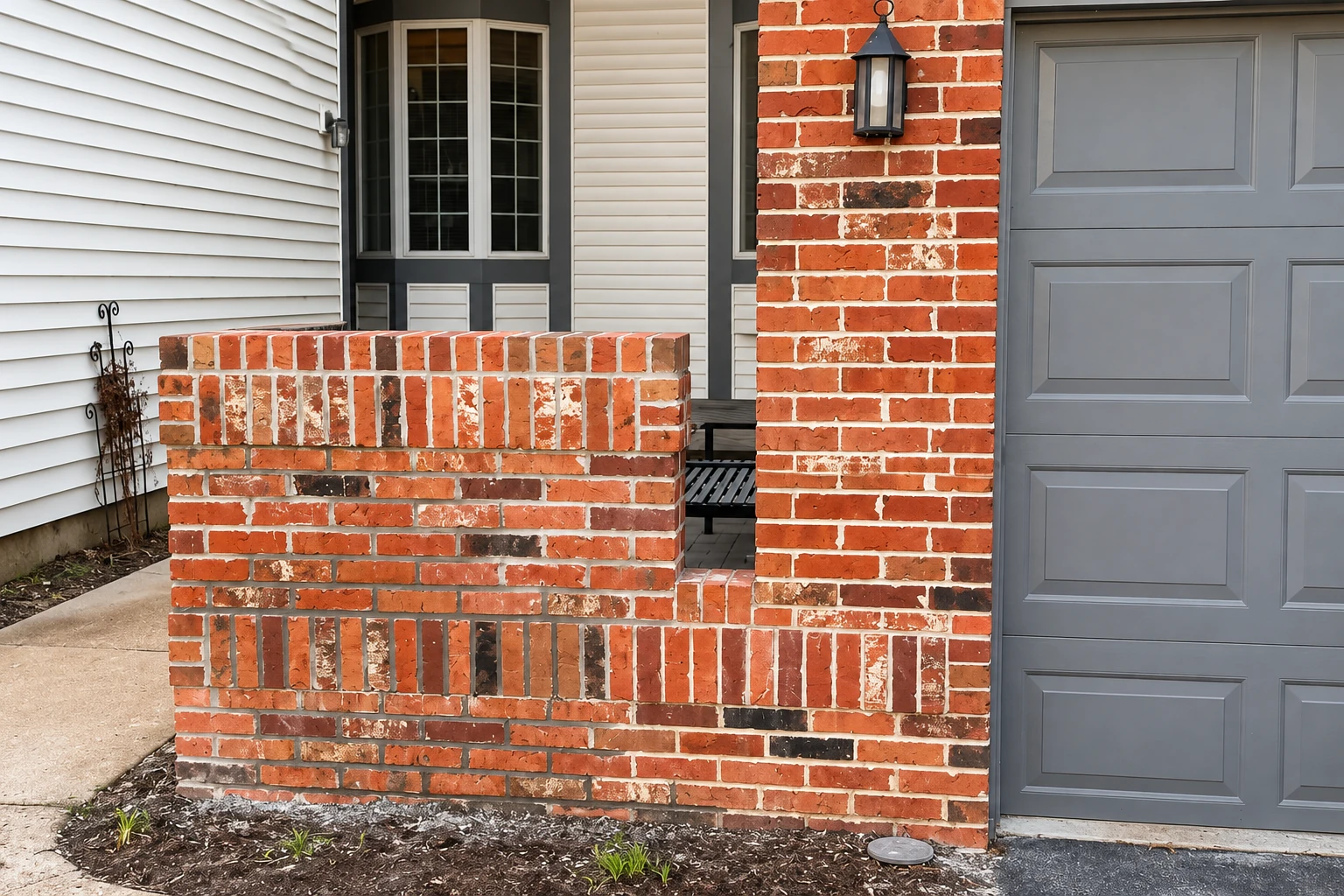
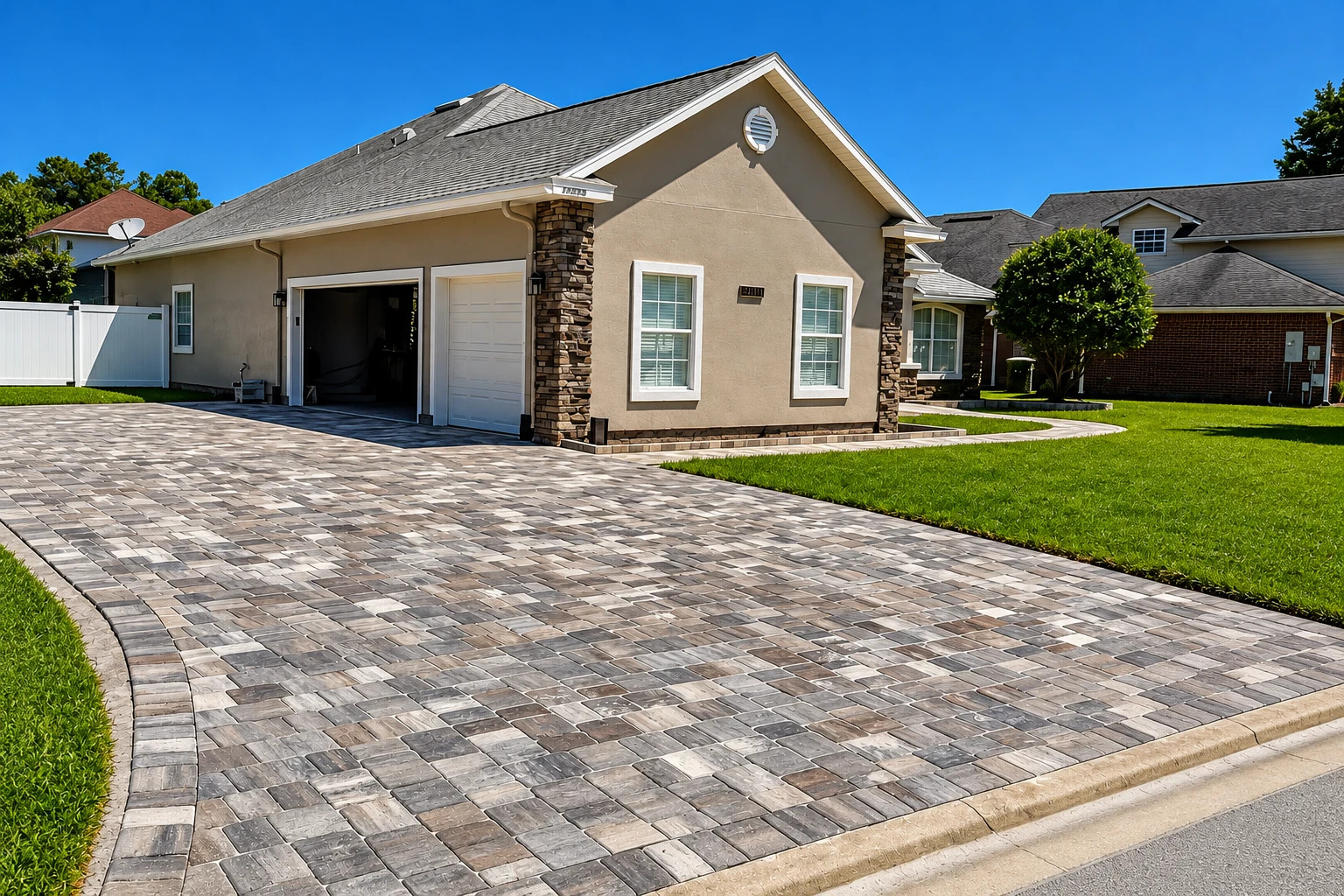
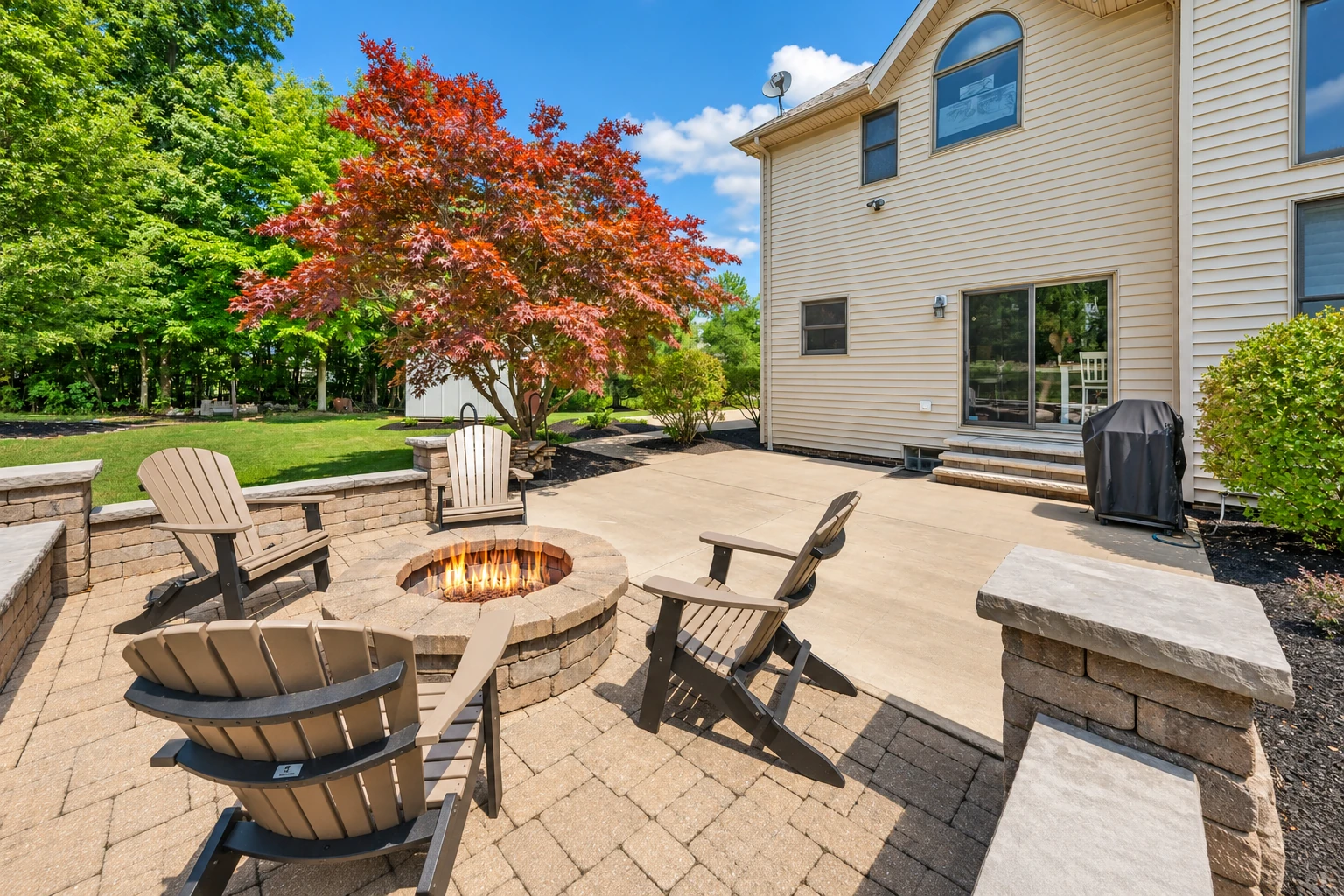
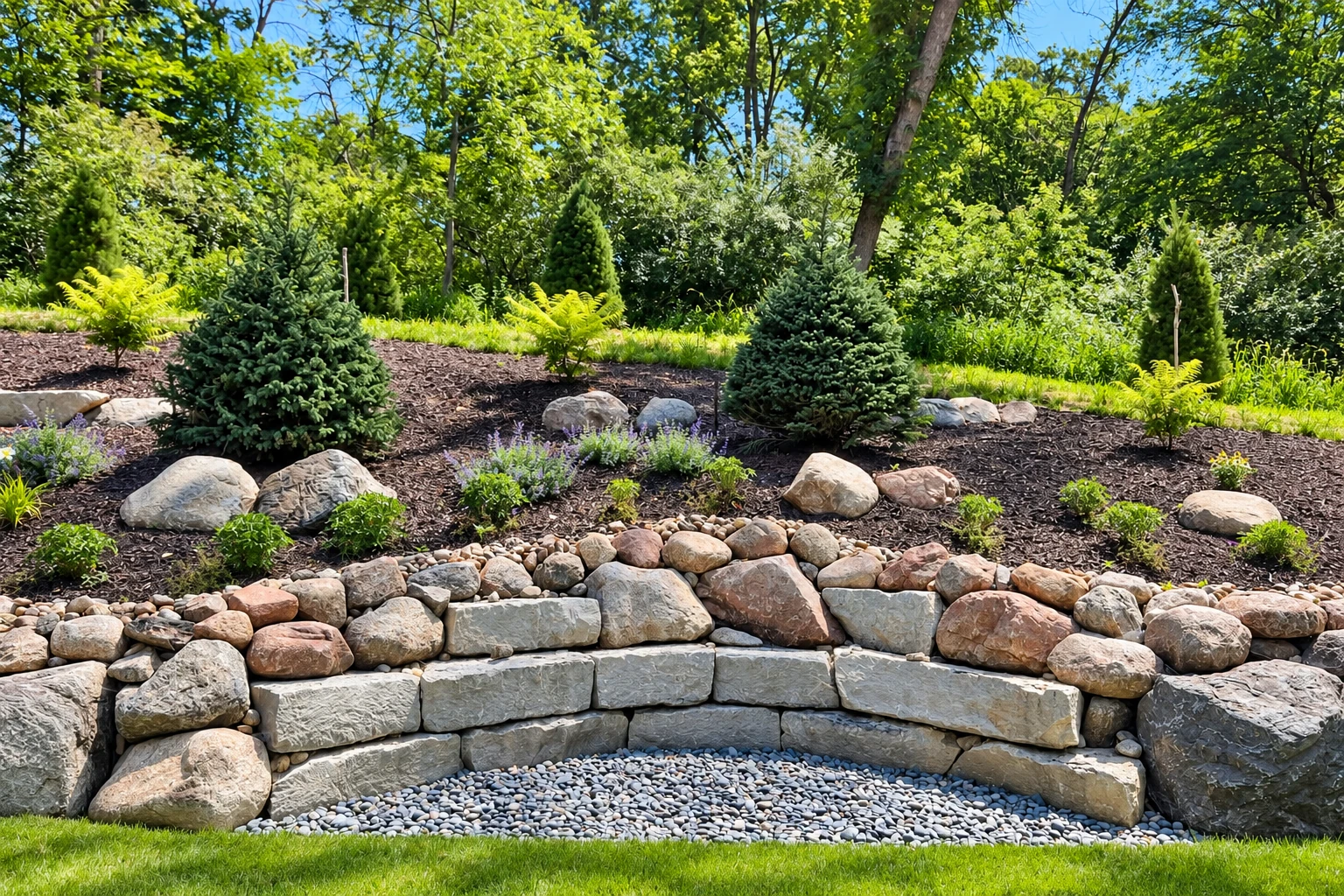
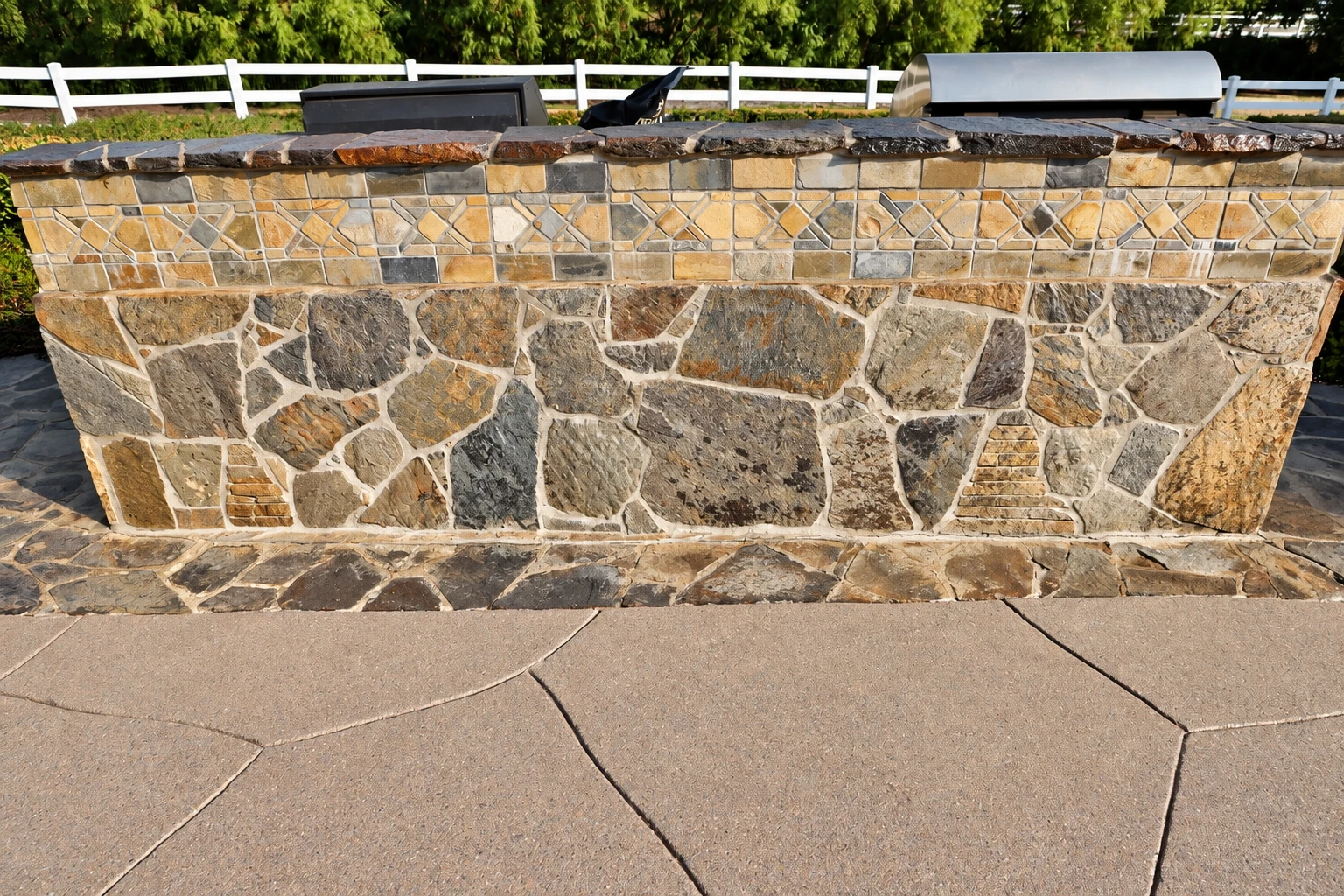
We drive over from Visalia for Hanford jobs, the same way we head out to Goshen and Lemoore, and the calls here tend to split two ways. Around downtown and the older streets near it, the brick goes back a long way, since most of the downtown buildings went up between the turn of the century and about the 1920s, and the houses nearby often have chimneys, porch steps and garden walls with mortar that's had decades to wear. In the newer neighborhoods farther out, it's more often a block wall along the back fence, a paver driveway or a walkway someone has been meaning to put in for years.
Old brick and new block ask for different things. Older brick is usually softer than what's made today, so it needs a mortar that gives a little, while a new wall depends on a solid footing and straight courses, the rows of block, from the ground up.
Fixing older brick without tearing it out
Most worn brick doesn't need to come down. Usually the mortar has gone sandy or cracked while the brick itself is fine, so we rake out the bad joints and refill them, or swap out the few bricks whose faces have flaked off. We mix the new mortar to suit the old brick, because a mortar harder than the brick pushes the wear into the brick and you end up with chipped faces a few years later. Some hairline cracks can wait, and I'll tell you when that's the case. Our brick repair page covers that work in more detail.
Getting your yard ready for a new wall
A new block wall, retaining wall or walkway starts with the path in. Block comes on pallets and footings take a fair amount of digging, so it helps to know where your side gate is, how wide it opens and whether a wheelbarrow can get through without crossing the lawn. We have underground lines marked before anyone digs, and we flag sprinkler heads and lines so they don't get crushed. If the wall sits on a shared property line, it's worth talking with your neighbor before we start. When we leave, the yard should look the way we found it, plus the new wall.
What sets the price and the schedule
I come out to your house myself, look at the job and write the estimate, so the number comes from your wall and not a guess over the phone. On a repair, the price turns on how much mortar or brick is actually failing, how high it sits and whether we need scaffolding to reach it. On new work, it's the length and height, the material you pick and how easy the site is to get into. The schedule mostly depends on whether the job needs a city permit and when the material arrives. A small crew and I do the work, and I'm on site while it's done. We're licensed and insured.